
Categories
First nuclear-powered superyacht project reportedly underway
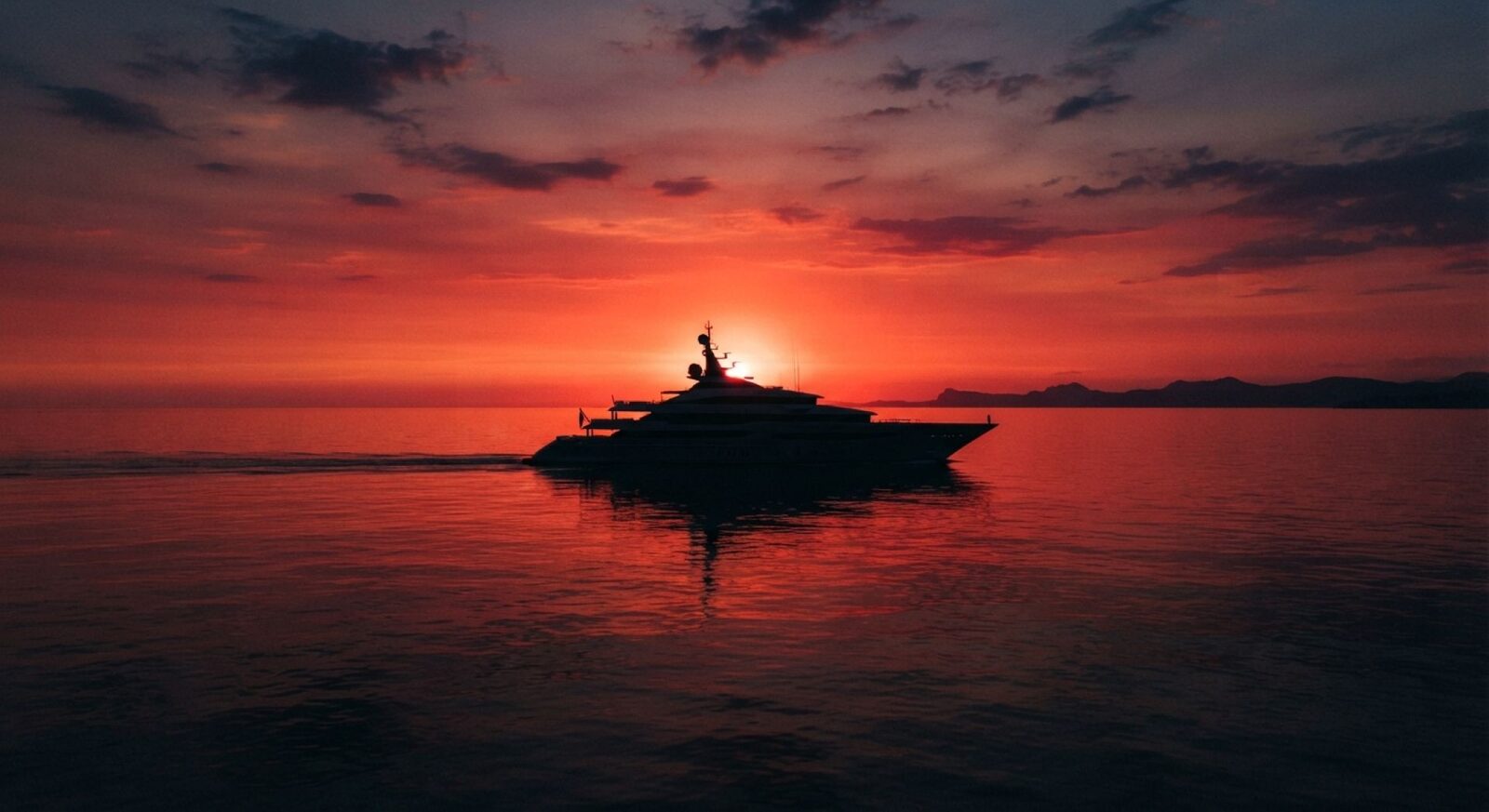
A spokesperson from maritime bunkering specialist Peninsula has said that they have heard of at least one superyacht build project underway that will use nuclear cells for power. The spokesperson mentioned that the new project is due for completion in five years, but cautioned that an enormous number of regulatory hurdles need to be cleared within that timeframe. Public sentiment surrounding a nuclear-powered superyacht may also be an issue. “A whole raft of things needs to align for this to work,” said the spokesperson.
Such systems would only be viable for the largest superyachts of 100 metres LOA (length overall) or more. The lifespan of these cells is approximately 10 years, at which point the modular unit could be removed and replaced with a new one. The spokesperson estimated that the return on the $10 million investment would come after roughly four to six years of operation.
The cells would use a low-grade form of uranium and be completely enclosed within their module. Were the vessel to sink, it would be safe to be within eight metres of the reactor cell, according to the spokesperson in an interview with Superyacht Technology.
The possibility of a nuclear-powered superyacht has become a hot topic over the past two years. Discussions took place at the recent Monaco Yacht Show and the METS Superyacht Forum regarding nuclear fuel cells for superyachts.
International Atomic Energy Agency (IAEA) Director General Rafael Grossi has called for a roadmap for nuclear energy to become a viable option to reduce commercial shipping’s global greenhouse gas emissions. Additionally, Espen Øino International and Ulstein have both released designs for a nuclear-powered superyacht.
Engel-Jan de Boer, global yacht segment manager at Lloyd’s Register (LR), was quoted by NucNet, a nuclear energy news site, as saying during the Monaco Yacht Show: “While significant regulatory and societal challenges remain, it is important that the industry begins the conversation now.” He added: “Classification societies have a key role to play in establishing the safety frameworks, risk assessments and assurance processes that will be required should nuclear propulsion become a viable option for superyachts.”
Read: Lloyd's Register - Momentum builds behind nuclear powered shipping
On 17 November, Lloyd’s Register published its Rules for the Classification of Ships and Offshore Units Integrated with Nuclear Power, providing a common classification framework to support the assessment of nuclear technologies for maritime use. LR said in a statement that the rules have been approved by its Ships and Offshore Technical Committees and will evolve as nuclear maritime technologies mature.
The advantages include a virtually unlimited range, reduced dependence on fuel bunkering infrastructure, low emissions and greater energy availability to support sophisticated onboard systems. However, enormous issues remain: safety, regulation, crew training, port acceptance, insurance and waste management all need to be addressed.