
Categories
Refits could take longer due to advancing AV/IT capabilities
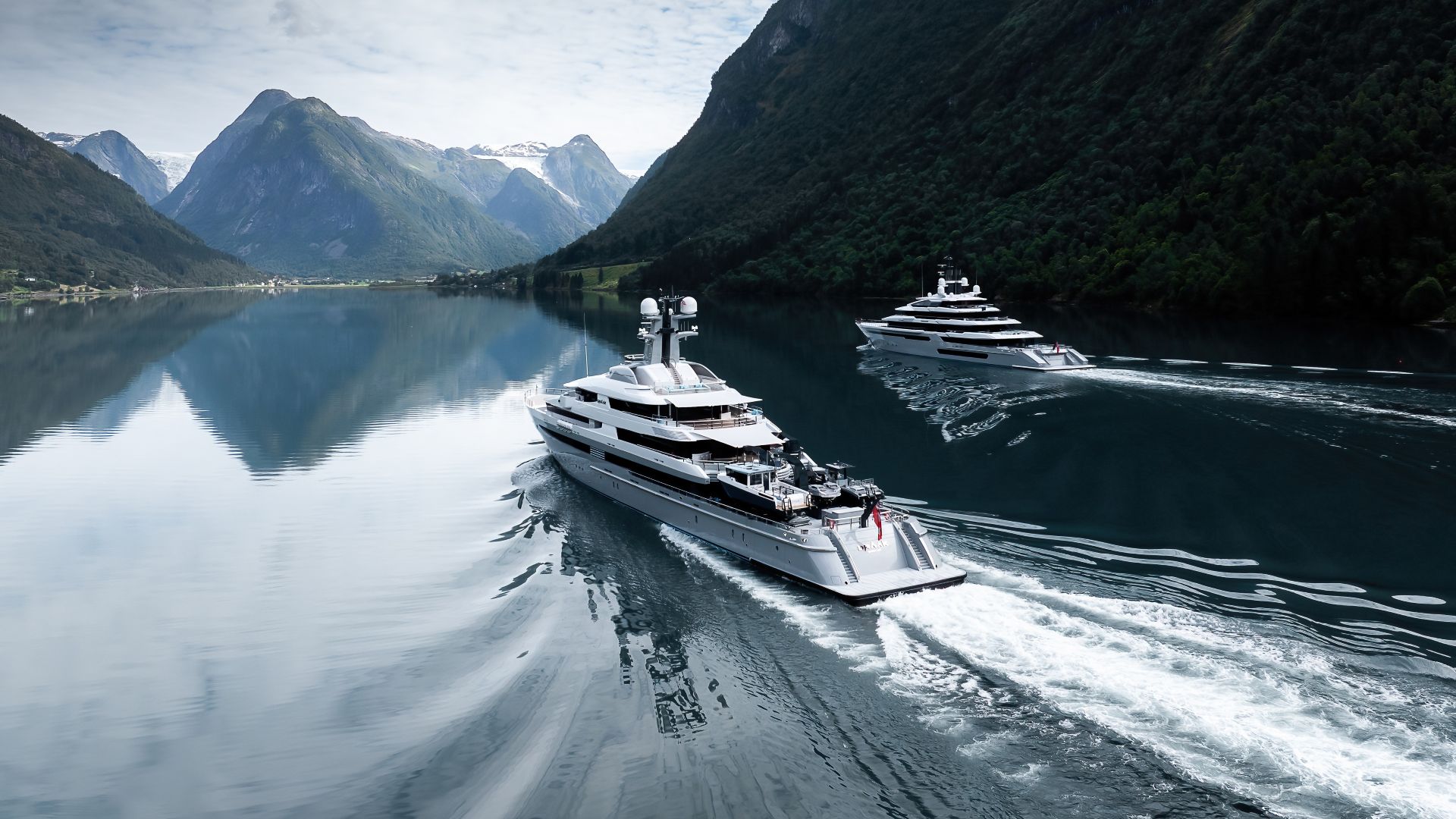
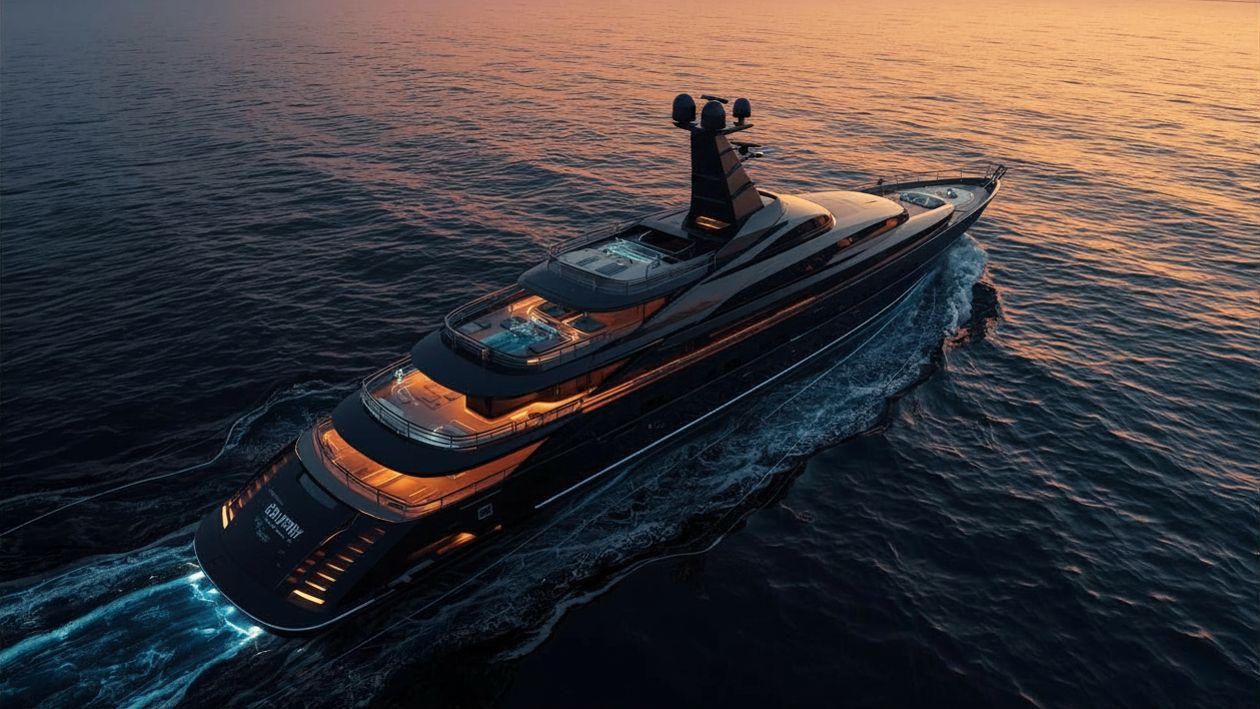
In June 2026, Oceanco relaunched Draak, a 93-metre vessel originally launched as Equanimity in 2014. Draak emerged from a two-year refit that was originally intended to last a year. The degree of changes to the functionality and interior necessitated a much bigger internal refit that revolved around a huge rewiring job, according to Diederick van Welij, a project manager for Alewijnse, the company that renewed much of the cabling and electrical systems.
“The amount of hours that we and everybody spent on this vessel is far more than we ever anticipated when we started with this,” says van Welij. “When we started to refit, the amount of work we had on order was quite limited – I think a tenth of it compared to the end.”
Alewijnse delivered the electrics alongside Oceanco, with VBH, Kongsberg Maritime and Bond also involved in the massive refit project. Alewijnse’s work included the renewal of the systems for alarm, monitoring and control (AMCS) and power management (PMS), a new shore power converter, and new interior lighting and cabling for the upgraded AV/IT and navigation systems.
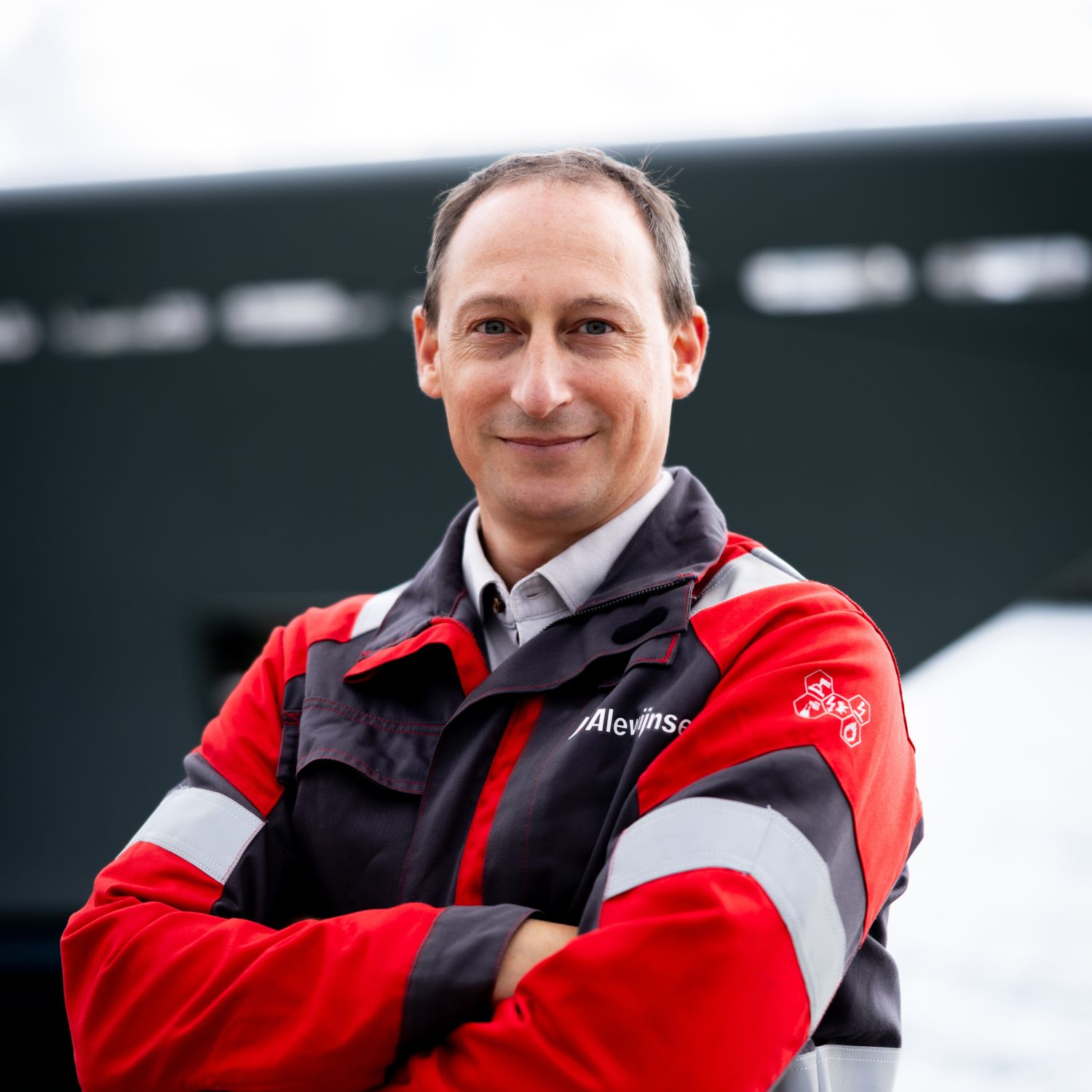
Diederick van Welij, Alewijnse
Draak was adapted to support scientific research and marine exploration as a companion superyacht to the 111-metre Leviathan, also launched by Oceanco. The upgrade to facilities and technology required van Welij and his team to pull over 58 kilometres of electrical cabling from the vessel. Recreating all the interiors and adding in the latest touchscreen technology and connectivity capability added up quickly. “If you are pulling out or renewing literally all the lifelines in the vessel, then you are opening up even the tiniest corners of the vessel, because even your crew will have a connection to the AV/IT network,” says van Welij.
What was once a luxury-only yacht was transformed into an action-oriented yacht for younger, more adventurous owners who want to support ocean research. The beach club was replaced with a complete dive facility, fully equipped hospital and hyperbaric chamber. An aft helideck was turned into a large tender storage and deployment space.
The overall scope of the project was truly ambitious. But the growing pace of technological change is adding to the length of time and complexity required in the refit process, according to van Welij. “What my colleagues also see is that with a new owner, you quite often get a new interior design, and with that, the renewal of the main systems related to AV/IT, propulsion, bridge controls, etc.”
“In the past, if you renewed the interior, the room layout would stay the same, but maybe the upholstery would change … And now what you see is that this is getting more extensive because your backbone behind the screens is changing,” concludes van Welij.