
Categories
Jotun says superyachts can reduce lifecycle carbon footprint by up to 50%
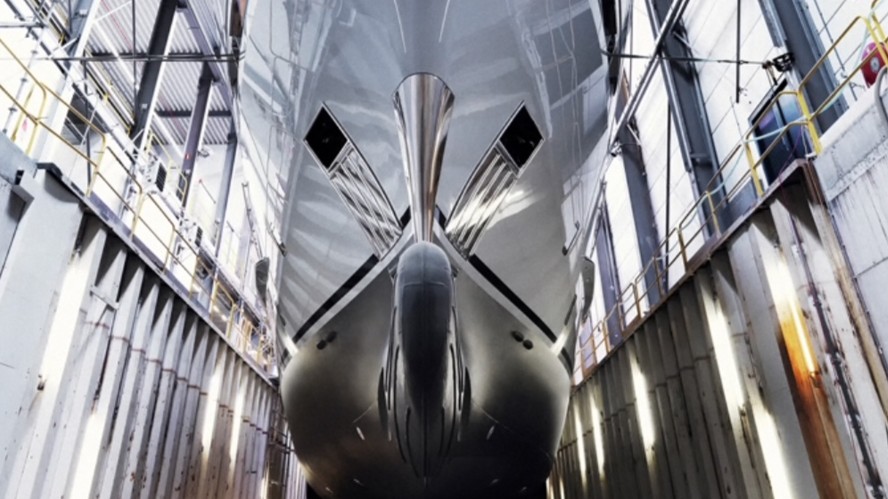
Maritime coatings specialist firm Jotun says that its Imperial Fouling Protection System delivers up to 50% lower carbon footprint over a 30-year service life compared to conventional antifouling coating systems. Hull fouling has a huge impact on vessel efficiency as marine organisms accumulate on the hull surface, increasing drag and fuel consumption. Jotun, a Norwegian firm, helped develop the standards for ISO 19030, which sets principles for the measurement of changes in hull and propeller performance.
Imperial uses silyl acrylate self-polishing technology to help maintain a cleaner hull over extended periods, even when vessels spend significant time at anchor or operating at low speeds. Coating specifications can be matched to a vessel’s sailing pattern, voyage factor, and operating environment.
The reduced carbon footprint is achieved through fewer maintenance cycles, lower paint consumption, and reduced waste generation over the life of the vessel. Jotun says Imperial uses approximately half the paint volume while maintaining long-term performance.
“This is ultimately about giving owners strong performance while reducing environmental footprint where possible,” said Tracey Warner, Regional Category Manager Yachting, Europe and Central Asia, Jotun Performance Coatings.
Beyond efficiency gains, effective fouling protection also supports marine biosecurity by helping prevent the transfer of invasive species between regions and reducing the need for underwater cleaning operations.
Leah Werner, Executive Director of the Water Revolution Foundation, said: “A robust lifecycle assessment considers the full range of impacts, from material production and maintenance cycles to waste generation and operational efficiency.”