
Categories
Is ISO 50001 the new standard for energy efficiency in superyacht builds?
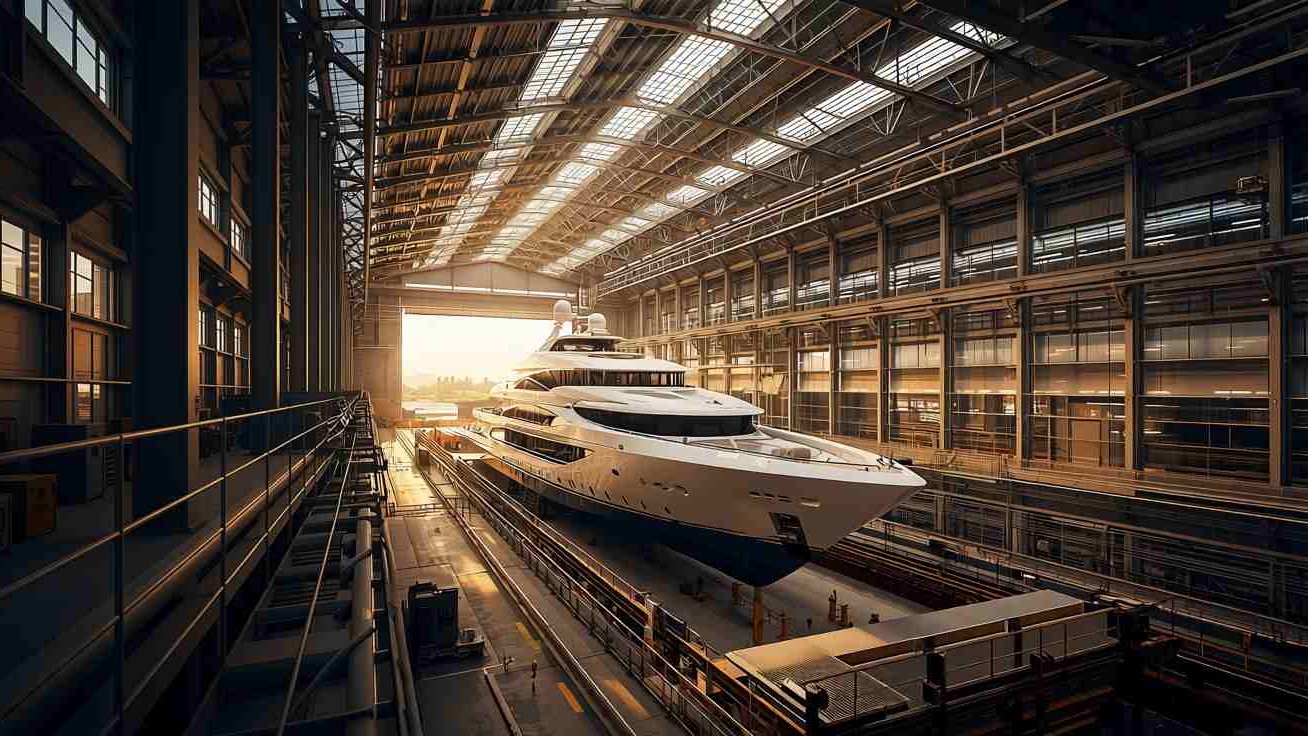
When German superyacht builder Abeking & Rasmussen announced in October 2025 that it had achieved certification to both ISO 14001 (Environmental Management) and ISO 50001 (Energy Management), the news pointed to what may be the next phase of environmental leadership in superyacht construction.
For more than a decade, shipyards have used ISO 14001 as a framework for managing environmental impacts, reducing waste, and improving compliance in their operations. Top-tier builders such as Lürssen and Feadship have long invested in energy-efficient production or the use of renewable energy. These initiatives, however noteworthy, do not provide the unified, globally recognised framework that comes with formal ISO compliance and certification.
By contrast, ISO 50001—first published in 2011—has a simple purpose: to help organisations systematically improve their energy performance, rather than simply installing energy-efficient equipment. Certification provides an externally verified indication that improvements are systematic and continuous rather than project-based.
Rather than prescribing specific technologies, ISO 50001 requires shipyards to measure energy use, establish performance baselines, identify major energy consumers, set measurable improvement targets, and continually optimise operations. For energy-intensive industries such as superyacht construction—where paint halls, climate-controlled assembly buildings, welding, compressed air systems, and heavy lifting equipment account for significant power demand—the standard offers both environmental and commercial benefits through reduced energy costs and lower emissions.
High energy costs associated with recent geopolitical turmoil will likely increase the attractiveness of this certification. It could also translate to long-run efficiencies that benefit customers. A core part of the ISO 50001 process involves establishing a baseline of energy consumption and then steadily reducing that consumption over time.
Abeking & Rasmussen’s certification places it among a still small group of yacht and boat builders that have publicly adopted the standard. Groupe Beneteau has already implemented ISO 50001 across its French production facilities, demonstrating that formal energy management is becoming a mainstream component of marine manufacturing.
As shipyards seek to demonstrate that they build more sustainable yachts and operate more sustainable factories, energy management certification appears well positioned to become the next hallmark of manufacturing excellence in the superyacht industry. It may also prove a boon for forward-thinking investors in the superyacht sector.