
Categories
HVO’s future in superyachts
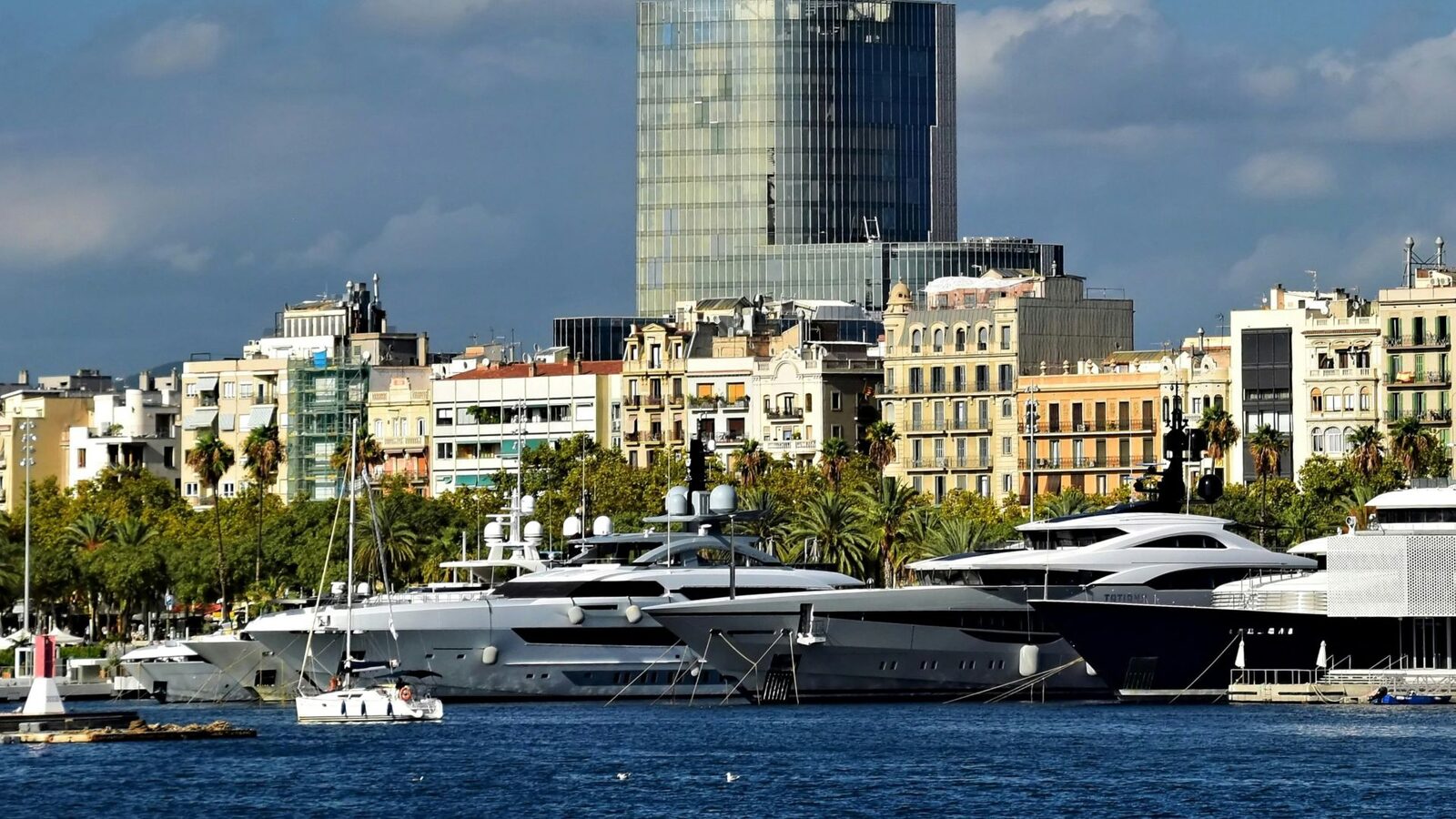
HVO is a proven drop-in fuel for major superyacht engines, but cost, supply logistics, and feedstock credibility decide whether it makes sense for a given yacht.
What is HVO?
HVO (hydrotreated vegetable oil, also called renewable diesel) is made by hydrotreating waste vegetable oils, animal fats, and other residues into hydrocarbons that are chemically similar to fossil diesel. Unlike biodiesel (FAME), it runs in existing diesel engines without modification. The relevant standard is EN 15940 for paraffinic diesel. The biodiesel standard EN 14214 does not apply.
What is the difference between HVO and biodiesel?
Both HVO and conventional biodiesel are produced from renewable raw materials, but they differ in chemical composition and properties. Conventional biodiesel can generally only be used in limited blends with fossil diesel, whereas HVO is a renewable hydrocarbon that closely resembles conventional diesel. This gives HVO its status as a “drop-in” fuel that can be used in existing diesel engines, either on its own or mixed with fossil diesel in any proportion. HVO also offers efficient combustion and better storage stability, as it absorbs very little water and is therefore less prone to fuel degradation and microbial growth.
Will HVO replace traditional diesel for superyachts?
Possibly. The commercial maritime world, particularly in Europe, is looking for ways to cut greenhouse gas emissions, and HVO is seen as a possible solution where full electrification is not feasible.
Unlike some emerging marine fuels, HVO can often be introduced without major changes to existing fuel infrastructure, subject to confirmation from the relevant engine manufacturer. Alternative fuels like hydrogen or ammonia require extensive CAPEX and create issues with safety and crew training.
For yacht owners, this can reduce some of the investment barriers associated with transitioning to alternative fuels. Peninsula’s BFuture renewable fuel solution gives yacht operators access to HVO alongside guidance on engine compatibility, fuel quality, supply logistics, and life-cycle greenhouse gas emissions.
Rising use of HVO in the commercial maritime world could raise the price significantly. Shipping demand for HVO, if rapidly adopted, would require up to 140 billion litres by 2035—triple the entire current market for vegetable oil fuel. Such demand would require increasing use of virgin oils, which would likely require deforestation to grow feedstocks, negating any carbon lifecycle advantage.
That said, HVO has real advantages over regular marine diesel. It has a higher cetane index, which means it has a more complete burn at the point of combustion, and it has lower sulphur and carbon content, reducing soot.
How is HVO made?
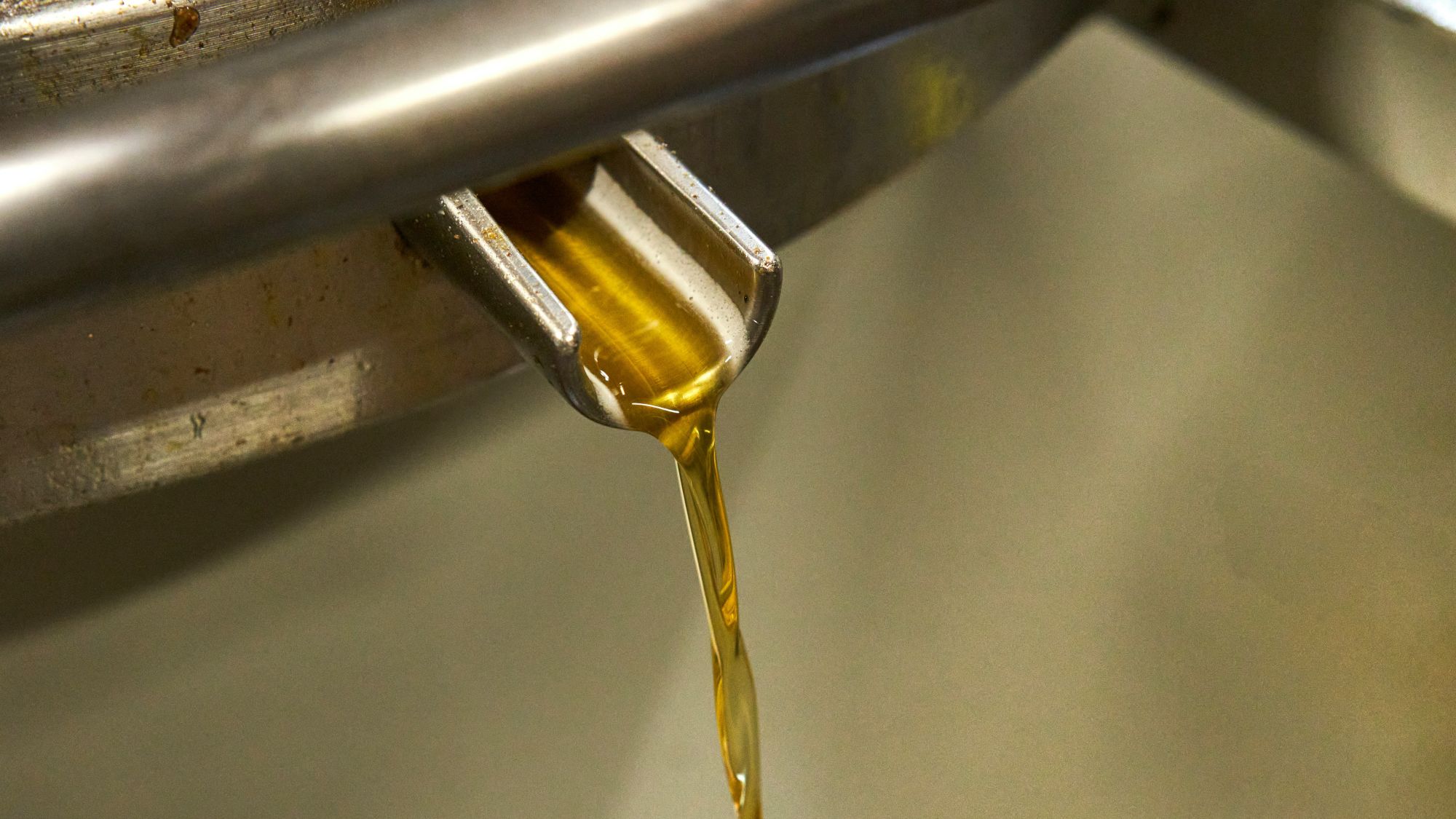
The source of emissions friendly HVO is limited
Food waste, particularly vegetable oils and used cooking oils, is the key feedstock. Virgin oils—i.e. oils not from recycled waste but produced specifically to be used as fuel—are also part of the feedstock mix. However, the key to achieving lower well-to-wake carbon emissions rests with the feedstock source. Burning HVO still releases CO₂. Hydrotreatment uses hydrogen to remove oxygen from vegetable oil molecules and split them into separate hydrocarbon chains. The production process requires energy and hydrogen, and the source of those inputs affects the overall carbon dioxide reduction—i.e. dirty energy sources reduce the overall CO₂ saving.
How available is HVO?
Availability is the key watchword for vessel owners. The commercial maritime world will probably play a decisive role in availability. A report on Oilprice.com noted that the use of food-waste biofuels is accelerating, particularly in major bunkering hubs like Singapore and Rotterdam where bio-blended fuel sales rose from 300,000 tonnes in 2021 to over 1.6 million tonnes in 2024. S&P Global noted that in 2025, European ports such as Rotterdam, Antwerp, and Gothenburg began offering HVO bunkering options for commercial shipping.
How does HVO actually perform?
HVO has 15.2% hydrogen by weight compared to 13.5% for regular diesel, so it has more energy per kilogramme but less per litre. Rolls-Royce reported in 2023 that a 28-metre Sunseeker running on MTU engines showed a “slight” drop in volumetric efficiency over a trip between Mallorca and Monaco. However, the HVO operated at lower temperatures, “resulting in lower engine noise and significantly less particulate matter and exhaust odour.” Rolls-Royce also cites particulate cuts of 40% or more and NOₓ cuts of about 8%.
How expensive is HVO?
Prices may vary depending on bunkering location and availability. Marine Gas Oil (MGO) or marine diesel has a much better delivery network than HVO. As of Q3 2026, the wholesale benchmark price of HVO is about double that of MGO.