
Categories
German researchers boost Li-Ion battery energy density up to 15%
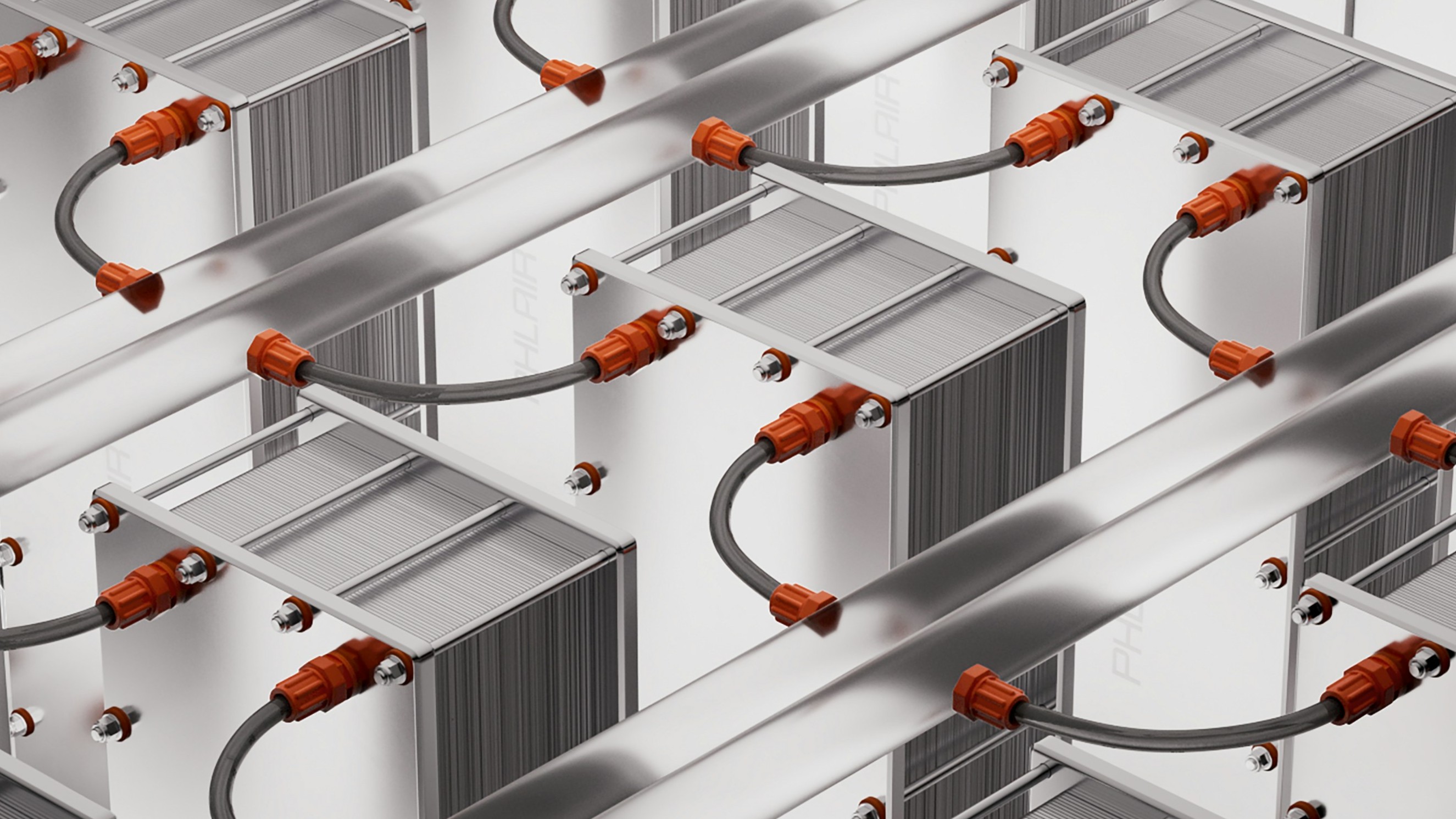
Researchers at the Fraunhofer Institute for Solar Energy Systems (ISE) have unveiled a breakthrough in battery technology that could significantly boost energy storage, potentially benefiting modern vessels. By redesigning battery electrode structures, the team achieved a 10 to 15 per cent increase in energy density without adding extra weight.
As the superyacht industry increasingly adopts hybrid power systems, battery performance and engineering have become major concerns. Hybrid propulsion systems rely heavily on large onboard battery banks to run zero-emission propulsion, silent cruising modes, and hotel loads without running generators.
Standard battery cells—such as lithium-ion, sodium-ion, and zinc-ion variants—rely on thin layers of active material alternating with metal current collectors. The Fraunhofer ISE team managed to triple the thickness of the electrode coating, increasing it from the traditional 100–200 micrometres up to 800 micrometres.
By creating thicker active layers, the design dramatically cuts down on the required number of current collectors inside each cell.
"We have much more space for active material, which increases the energy density by 10 to 15 per cent, depending on the battery type and design," explains Dr Oliver Fitz, group leader for battery cell technology at Fraunhofer ISE.
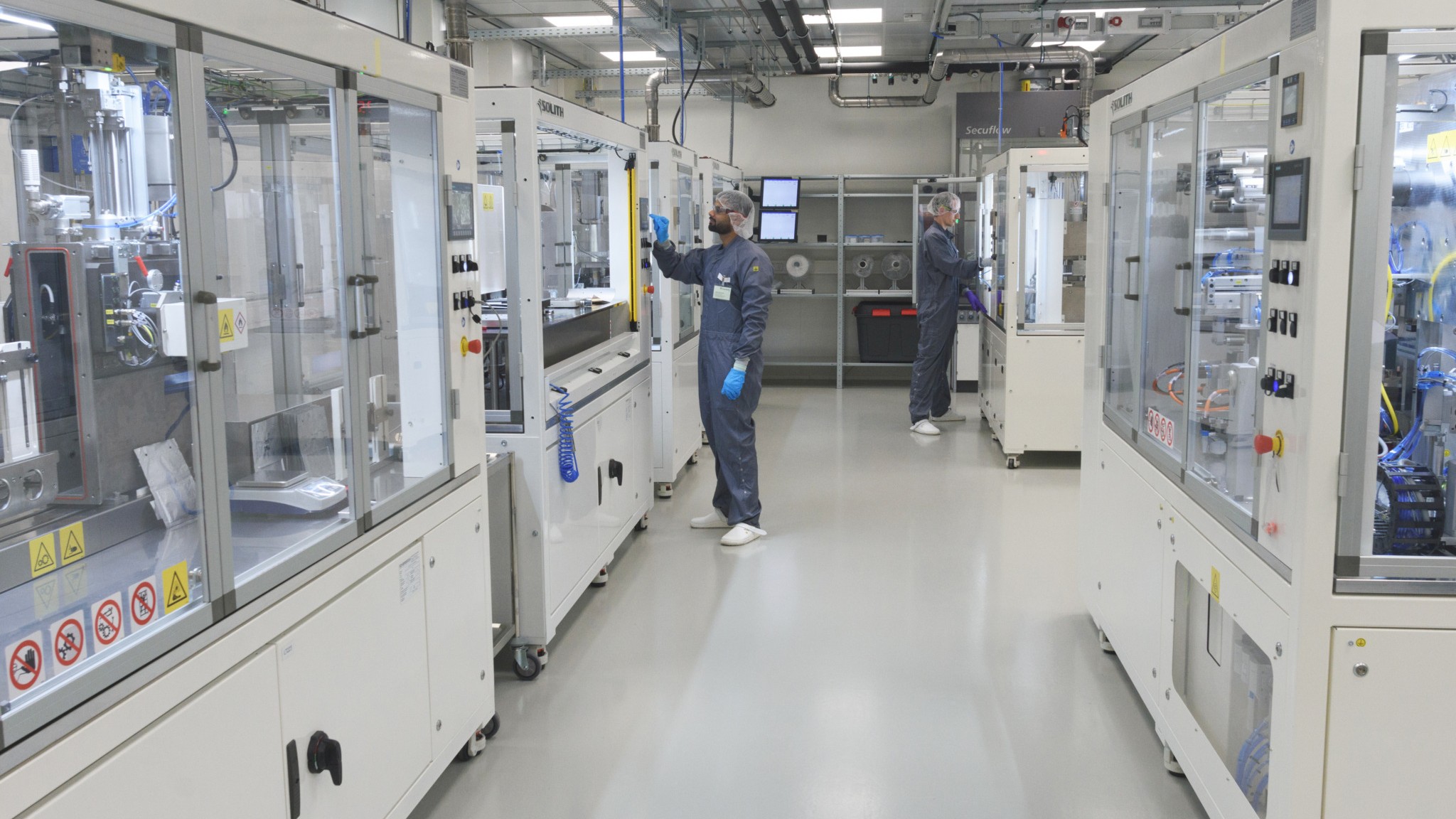
Researchers kept mass production and environmental safety in mind while conducting tests
The research team validated the new electrode architecture for zinc-ion, sodium-ion, and lithium-ion batteries using small battery cells in the laboratory. For lithium-ion batteries, they also manufactured prototypes of pouch battery cells with the newly developed electrode structure on a semi-automated production line in the modern cleanroom of the Fraunhofer ISE Battery Materials and Cell Production Lab.
The battery electrodes are PFAS-free and manufactured without the use of toxic solvents. The new cell architecture was developed with future mass production in mind, according to the institute. A potential electrode production line exhibits significantly lower process complexity compared to a state-of-the-art wet-coating system, reducing capital costs. Operating costs are also reduced due to lower space and energy requirements.
The project was developed in collaboration with industrial and research partners, including Helmut Hechinger GmbH & Co. KG and acp systems AG, with funding from German federal and state ministries.
For the superyacht and maritime industry—where every square metre and kilogram counts—this technology promises lighter, more compact energy storage options for future hybrid builds and green refits.
“Having started out as a traditional automotive supplier, we have long been diversifying into future-oriented markets, products, and industries,” said Markus Duffner, CEO of Hechinger, a German manufacturing and energy storage firm that partnered with Fraunhofer on the research. “We already generate over 30 per cent per cent of our revenue in the field of e-mobility. If the next steps in scaling up and validation show promising prospects in terms of both cost and performance, we could explore industrialisation.” Hechinger already builds energy storage systems and provides electric motors for the leisure marine sector.