
Categories
The top cost drivers of superyacht new builds revealed: Deloitte
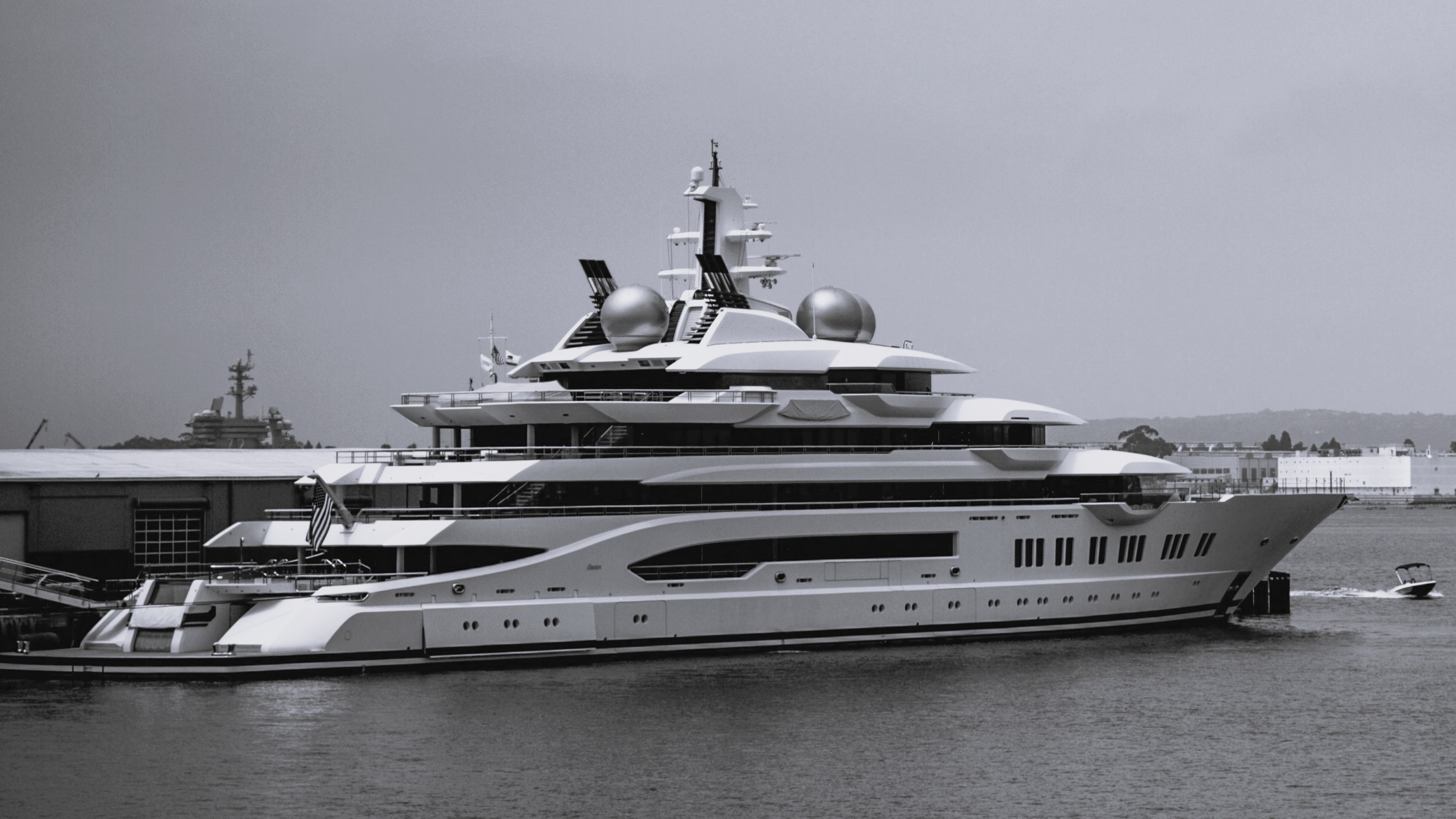
A recent report by accounting firm Deloitte, commissioned by SYBAss and Superyacht Life, has provided detailed insights into the cost breakdown of building and maintaining a superyacht. The data points to the potential value of technology and efficiency solutions in each of the factors mentioned.
The report claims that the global superyacht industry had an economic output of €54 billion in 2022, the latest year in which full figures were available. It divided costs into the build phase (upstream) and the operations phase (downstream). Findings were synthesized from data from major build and operational intelligence pipeline, highlighting how heavy engineering, bespoke finishing, crew operations, and maintenance dominate lifecycle expenditure. The report also found that vessels over 60 metres LOA, though representing nine to 10% of the fleet, generated approximately 29% of total fleet expenditure, “demonstrating a strong concentration of economic value within a limited number of ultra-high-value vessels”.
The total expenditure/output of the superyacht industry was broken down into segments. Fleet usage and tourism activities accounted for 50% of the overall economic footprint, while new build activity accounted for 37% and refit and maintenance added 11%. Brokerage and charter services added two percent.
Upstream: Heavy Infrastructure and Precision Outfitting Dominate Build Costs
During the manufacturing phase, direct shipyard expenditure (€7.2 billion globally) is mostly on structural engineering, mechanical infrastructure, and bespoke finishing. The report measured expenditure of Cost of Goods Sold (COGS). In 2022, these activities collectively generated a direct economic impact of €9.5 billion.
| Rank | Cost Component | Share of COGS (%) | Primary Scope / Focus Area |
|---|---|---|---|
| 1 | Hull and Superstructure | 21.00% | Structural body fabrication in steel, aluminum, GRP, or FRP |
| 2 | Mechanical Systems | 20.00% | Main engines, propulsion, HVAC, stabilization, and core technical infrastructure |
| 3 | Luxury Interior | 11.00% | Custom joinery, stonework, soft furnishings, and high-end guest finishes |
| 4 | Crew, Service & Technical Interior | 9.00% | Outfitting for crew quarters, galleys, pantries, and technical service areas |
| 5 | Exterior Work | 7.00% | Exterior outfitting, teak decking, varnishing, and surface finishing |
| 6 | Naval Architecture & Design | 6.00% | Hull lines, structural calculations, stability, and hydrodynamics |
| 7 | Yacht Equipment | 6.00% | Deck hardware, anchors, capstans, cranes, passerelles, and marine gear |
| 8 | Paint & Surface Prep | 5.00% | Multi-stage fairing, priming, protective coatings, and topcoats |
| 9 | Electrical Systems | 5.00% | Onboard power generation, switchboards, distribution, and cabling |
| 10 | Engineering & Systems Integration | 3.00% | Technical integration of electronic, mechanical, and safety systems |
Downstream: Operational Lifecycle Expenses Driven by Crew and Servicing
While initial build costs represent a single capital layout, a superyacht’s 30- to 40-year operational lifespan generates recurring downstream costs that eclipse initial shipyard pricing—particularly for vessels above 60 meters LOA. Fleet operations generate €8.3 billion annually in direct usage expenses across the ~4,100 active global fleet.
| Operational Cost Component | Share of Usage Expense (%) | Key Drivers & Expenditure Focus |
|---|---|---|
| Crew Costs | 37.0% | Salaried marine professionals, rotational staff, benefits, and certifications |
| Maintenance & Repair | 20.2% | Scheduled yard visits, machinery servicing, system overhauls, and class surveys |
| General Operating Costs | 16.5% | Technical operations, safety management, deck supplies, and vessel logistics |
| Administration | 6.7% | Yacht management fees, flag registration, accounting, and legal compliance |
| Fuel & Lubricating Oil | 5.7% | Bunkering, transit fuel, generator fuel, and lubricants |
| Ports & Dockage (Berthing) | 4.6% | Marina berthing fees, seasonal mooring, and port tariffs |
| Insurance | 4.3% | Hull and machinery (H&M) and Protection & Indemnity (P&I) coverage |
| Food & Beverage (Owner & Guests) | 3.4% | Onboard provisioning, fine dining, and cellar stocking |
| Communications & IT | 1.6% | Satellite communications, VSAT, navigation data, and IT infrastructure |
The report stated: The shipyard functions as a massive procurement engine. Because a superyacht is an integration of diverse technologies, it pulls value from sectors that are seemingly disconnected from the sea." Demand for propulsion, control, and technical systems stimulates production within high-precision engineering industries, including sectors such as aerospace, automotive, and other complex manufacturing clusters.