
Categories
ABS: Reduce hotel loads for true emissions reduction on superyachts
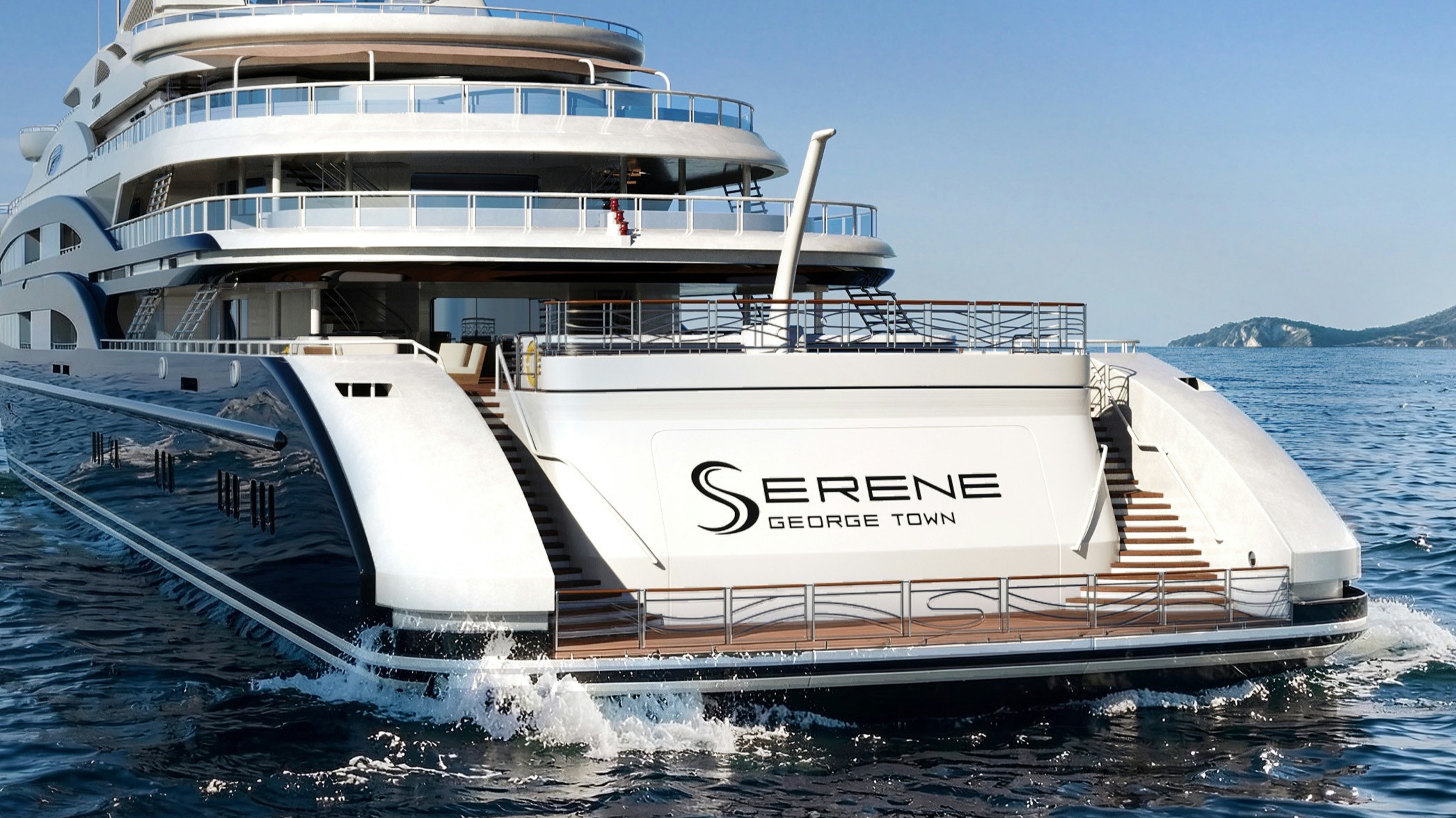
The key focus of superyacht owners and builders looking for ways to cut fuel use and emissions should be reducing hotel loads, according to the new report by the American Bureau of Shipping (ABS) titled Low-Emission Framework for Large Yachts. The framework attempts to formulate a standard by which superyachts can be judged on fuel efficiency and environmental performance, noting that superyachts spend 10% or less of their time on main engines in transit, with much of the rest of energy demand coming from the vessel's hotel load.
Rather than a focus on switching to newer fuels, the report states that “the highest value early measures” will reduce demand and convert energy more efficiently.
For superyacht refits, the report targets three key areas for investment in energy optimisation. First, a focus on hotel energy load reduction, particularly for HVAC in warm temperatures. Second, a focus on the condition of the hull with regard to coatings and fouling. Third, generator efficiency—in particular, getting generator sets correctly sized and deploying power management systems that keep machines running at or near efficient load.
For new builds, shore-power readiness and a battery-electric hybrid system for emissions-free operation at anchor are key.
The report noted that large yachts “sit between two regulatory worlds”, because of the wide range of uses and operational rules that may be applied to them and their operation. Regulatory applicability is often misunderstood, according to the report. Yachts under 5,000 GT may in fact not face EEDI or CII reporting requirements because fuel use is not truly measured in transport miles, as would be the case with a cargo vessel. The report notes that the tools needed to assess superyacht fuel efficiency have not yet been built.
The report also assesses the current availability and emissions reduction potential of alternative fuels, noting the overall loss of onboard volume required for various fuel types. Hydrogenated Vegetable Oil (HVO), which requires the least additional tank volume compared to traditional marine diesel, offers the most immediate solution.
However, the report also cautions that alternative fuels are judged on “well-to-wake” overall emissions.Under revised IMO interim guidance starting from 1 January 2027, HVO that is not certified as sustainable is assigned the conversion factor of equivalent fossil fuel. Users of HVO will thus need a Proof of Sustainability provided with the bunker delivery note.