
Categories
Hull Vane foils finding their way into superyacht design
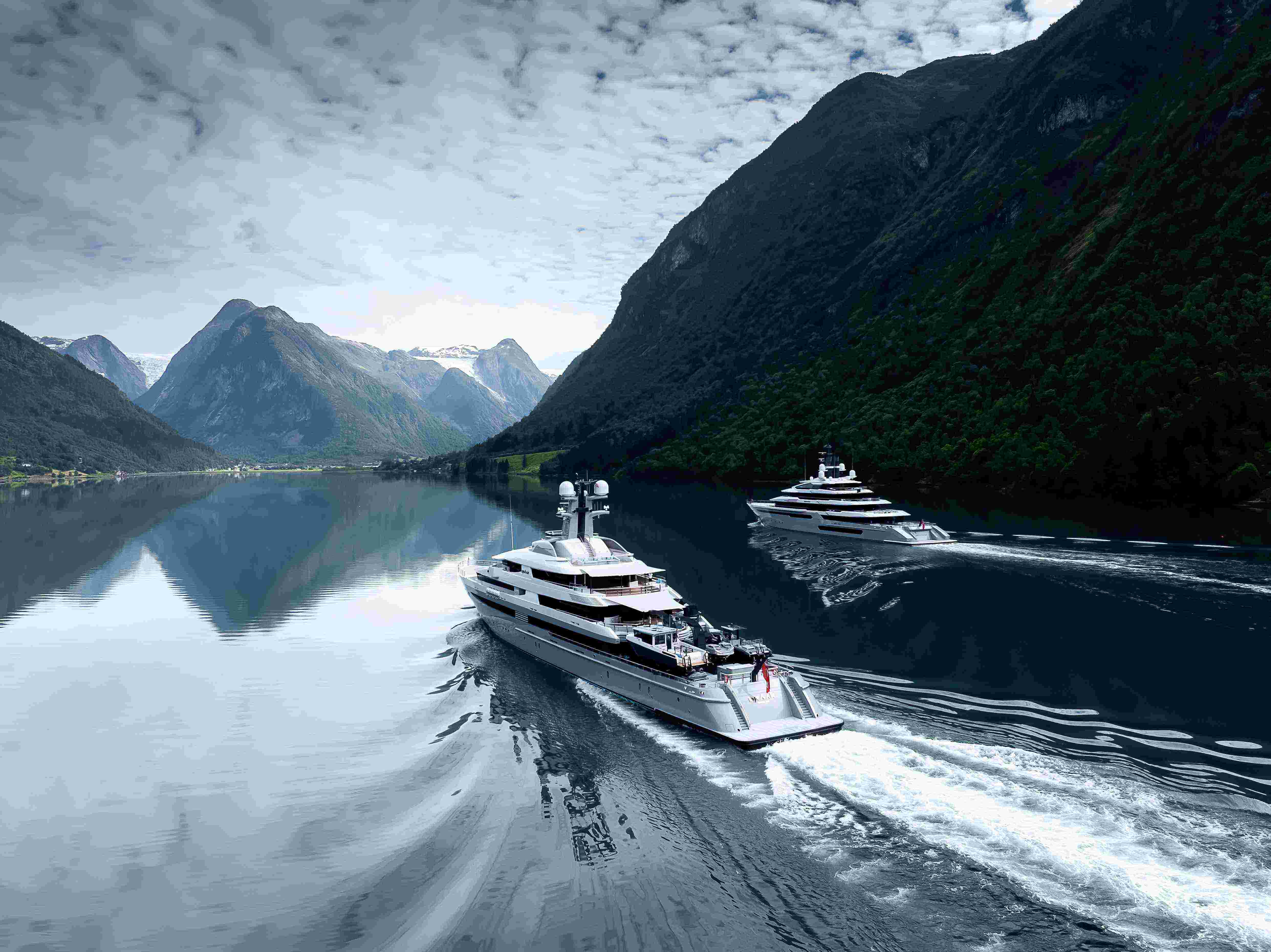
Hull Vane B.V., the sister company to Van Oossanen Naval Architects, is celebrating some recent wins in the superyacht business. In June this year, two identical custom-built motor yachts were launched, both equipped with Hull Vane® technology. In that same month, Azimut Yachts launched a 44m Grande equipped with Hull Vane technology. In July, Sirena Marine launched a 42-metre flagship featuring a Hull Vane. According to Hull Vane CEO Niels Moerke, superyacht designers are starting to incorporate the solution from the beginning of projects.
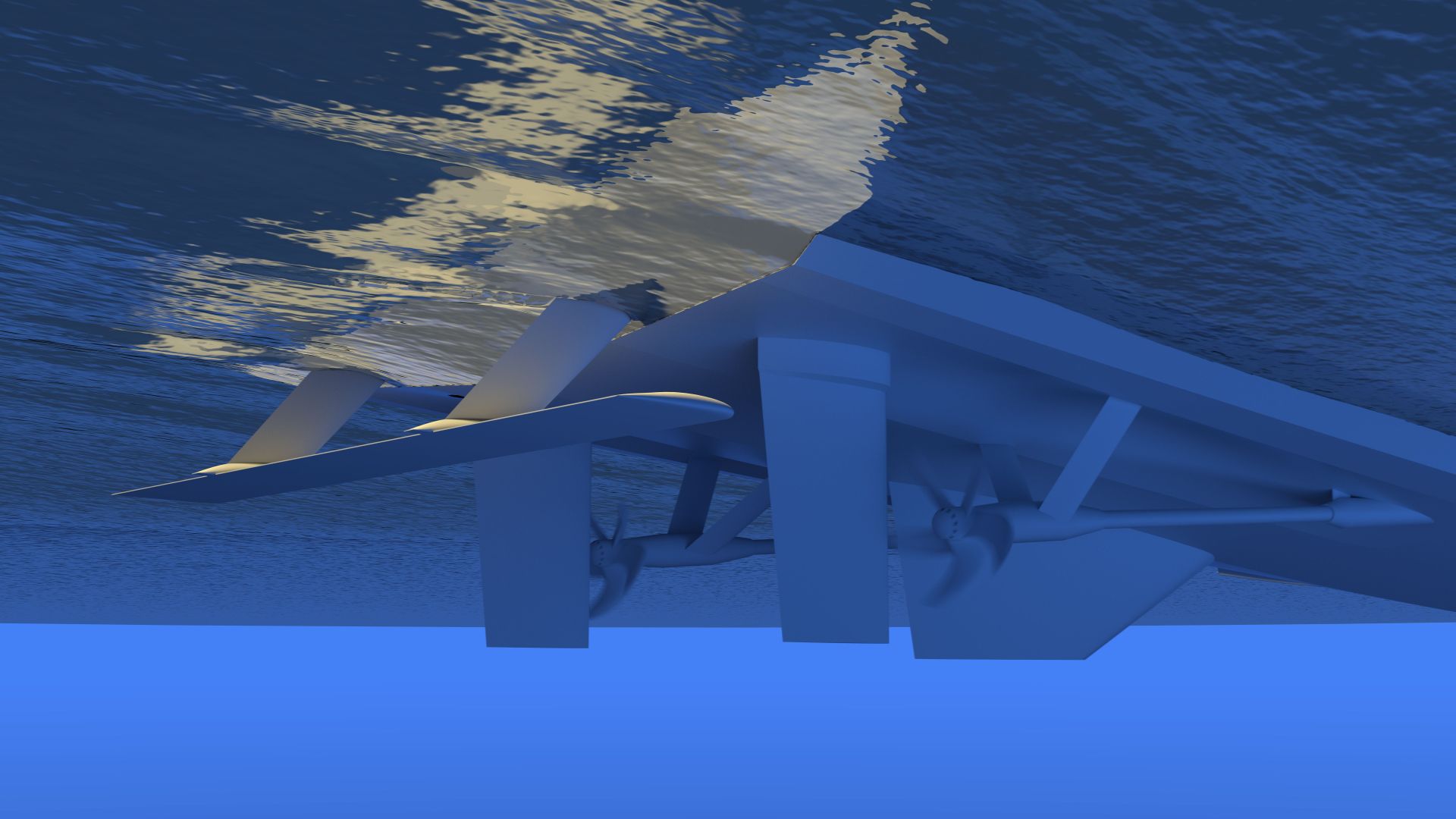
The Hull Vane is a fixed stern hydrofoil that improves overall hydrodynamic efficiency by reducing wave-making resistance and optimising stern flow. By generating forward thrust, the Hull Vane lowers fuel consumption and reduces emissions, while also improving onboard comfort by reducing vessel motions.
“For superyachts, efficiency is increasingly about much more than fuel consumption alone. Owners are looking for greater range, higher comfort levels and a more sustainable yacht, without compromising on performance or the overall yachting experience,” says Moerke. “Depending on the yacht and its operational profile, it can be applied both to new designs and as a retrofit solution for existing yachts.”
According to Moerke, the Hull Vane solution typically works best on heavy, fast displacement vessels, such as patrol vessels, ferries, or yachts with a Froude number between 0.2 and 0.8. Hull Vane’s own figures show a 10 to 20% reduction in pitching motion when a vessel is going through waves as well as significant drops in rolling motion.
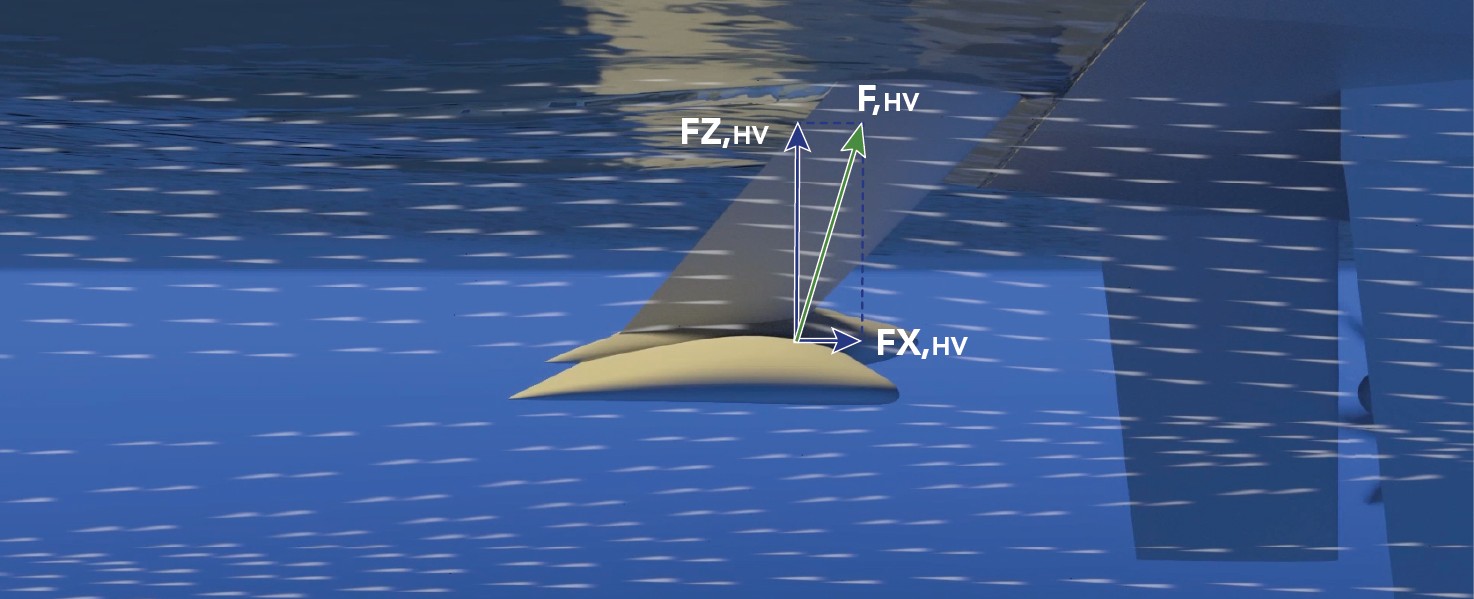
A Hull Vane can be bolted or welded to the aft portion of the hull. It is never the lowest part of the hull, meaning draught is not added to the vessel.
Until now, Hull Vane B.V. has had limited success in superyachts. That may change as the focus of superyacht design moves from power to comfort and efficiency. As a static hydrofoil that remains in one position regardless of the speed of the vessel, it requires minimal input from crew.
The idea for a hull vane came from Peter van Oossanen, founder of the eponymous firm. He was interested in regaining some of the energy that the hull of a ship or yacht uses in propelling itself through the water. In 2014, Van Oossanen Naval Architects created Hull Vane to commercialise the idea. Niels Moerke says he has been with Hull Vane B.V. since the beginning, having studied the same concept for a master’s thesis.
The reduction in resistance that a vessel enjoys with a Hull Vane solution can extend range and efficiency enough to make battery-electric solutions more practical as well.

Hull Vane B.V. CEO Niels Moerke says research on new Hull Vane solutions is underway
In previous interviews, Moerke has suggested that research at Hull Vane is now directed towards a dynamic Hull Vane solution that further dampens motion in waves for additional comfort.
“What we are seeing now is that more yacht designers and builders are considering Hull Vane® at an early stage of the design process,” says Moerke. “This allows us to optimise the interaction between hull, propulsion and Hull Vane, and achieve the maximum overall benefit. The recent projects entering the market demonstrate that this technology is becoming an increasingly relevant part of efficient superyacht design.”